 Diocese of Parañaque

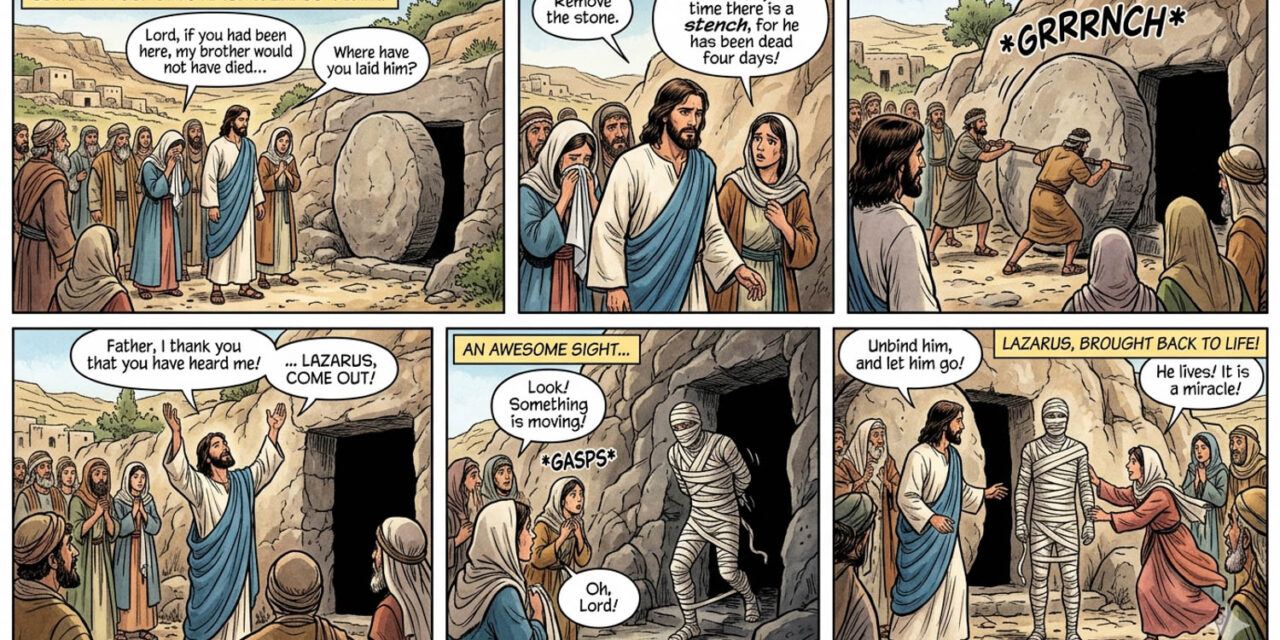
Sometimes, in the Gospel, there is a single detail that tells the whole story. In the Gospel of Luke, we are given such a detail: they came to the tomb—and the stone was rolled away (Lk 24:2). The stone was rolled away. That simple detail carries the full weight of Easter. The Resurrection is not only about what happened to Jesus—it is about what happens to us. The great stone that stood between humanity and God has been removed, and in the Risen Christ, the way to the Father is open. For those who are sick and suffering, this truth speaks deeply: illness, pain, and weakness can feel like a heavy stone sealing us in darkness. Yet the Resurrection proclaims that no suffering, no sickness, no human limitation can ultimately block God’s presence. Even in the hospital room, even in frailty, the light of Christ can enter and fill that space with hope.
And yet, if we are honest, there is a shadow that lingers over Easter. It is not doubt that Christ rose—the witness of the apostles and the life of the Church proclaim that He is alive. The deeper doubt is more personal: Can I still rise, even in my suffering? Can my life still have meaning in illness? Can I still be made new? Those who suffer often carry not only physical
pain, but also fear, discouragement, and a sense of helplessness. These become stones in the heart—heavy, immovable. We may believe that God can conquer death, but we struggle to believe that He can transform our pain, that He can bring grace even into weakness, that our suffering can still become a place of encounter with Him.
But Easter gives a clear and powerful answer. The God of the Book of Genesis, who created light out of darkness, can bring new life even in the midst of illness. The God of the Book of Exodus, who freed His people from bondage, can free the heart from despair and fear. If God can raise Jesus from the dead, then He can raise hope in the sick, strength in the weak, and peace in those who suffer. The stone may not always be removed in the way we expect—healing may come in body, or in spirit—but the promise remains: suffering is not the end. In Christ, even the heaviest stone can be rolled away, and even in weakness, new life can begin. The Lord is truly risen. Happy Easter!
– Fr. Bryan
Hope Found in the Quiet Morning
The Easter gospel brings me back to moments in my life when faith was quiet – when there were no clear answers, only a lingering hope that God was still present. The Gospel begins before sunrise, while it is still dark. That detail feels deeply familiar. Some of the most meaningful encounters I have had with God did not happen in moments of clarity or confidence but in seasons marked by waiting, uncertainty, and silent prayers. Like the first Easter morning, hope often begins before light fully breaks through.
Mary Magdalene comes to the tomb early, moved by love rather than expectation. She is not seeking resurrection; she is simply being faithful in her sorrow. I see myself in her. There are days when I pray not because I am strong in faith, but because loving God is all I know how to do amid confusion. When Mary sees the stone rolled away, her first thought is loss. I understand that reaction deeply. I, too, am quick to assume that emptiness means God has taken something away, without realizing it may be the very space where He is quietly at work.
Peter and John then run to the tomb, and their urgency mirrors my own restless heart. Faith is not always serene; often it feels like running – seeking answers, longing for reassurance, hoping that what feels broken might still be redeemed. John arrives first and hesitates, while Peter arrives later and enters immediately. Their responses remind me that my faith shifts between
caution and courage, and that God meets me in both – in my careful waiting and in my brave, honest steps forward.
What touches me most is the moment when John finally enters the tomb, sees the emptiness, and believes. There is no dramatic sign, no explanation – only absence. Yet belief is born there. This challenges me, because I often want God to fill every gap with certainty. Easter teaches me instead that faith sometimes begins when I choose to trust God even when understanding feels incomplete. It invites me to believe not because I see everything clearly, but because love leads me forward.
The empty tomb invites me to look at the empty places in my own life – the unanswered prayers, the delayed plans, the quiet waiting. Perhaps these are not signs of God’s absence, but invitations to deeper trust. Resurrection does not always arrive loudly. Sometimes, like Easter morning, it comes gently, asking me to believe before I fully see.
– m’jenn
Originally published in the Neo Jeremiah Voice of the Young Prophet (April 5, 2026 issue).