 Diocese of Parañaque

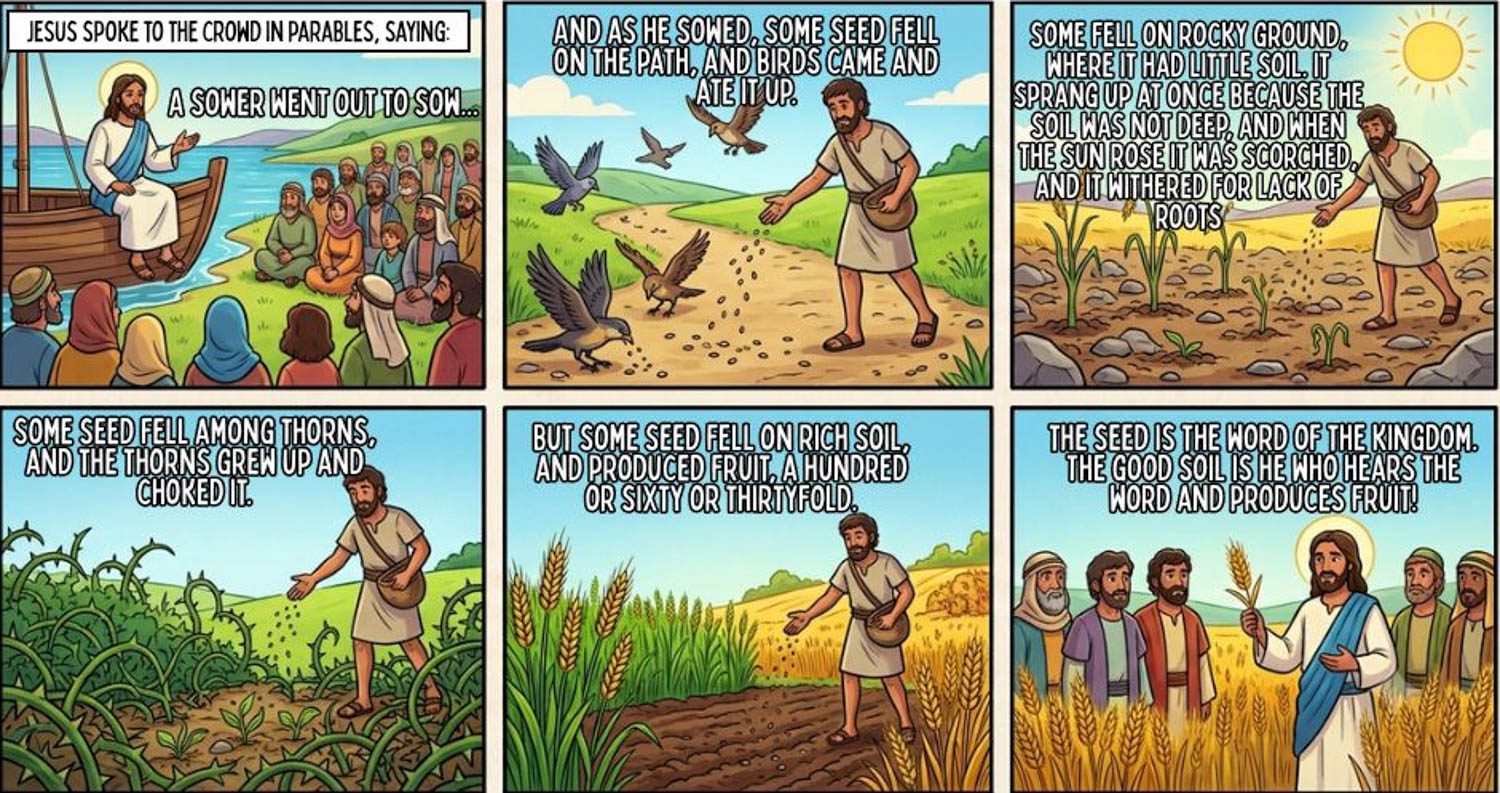
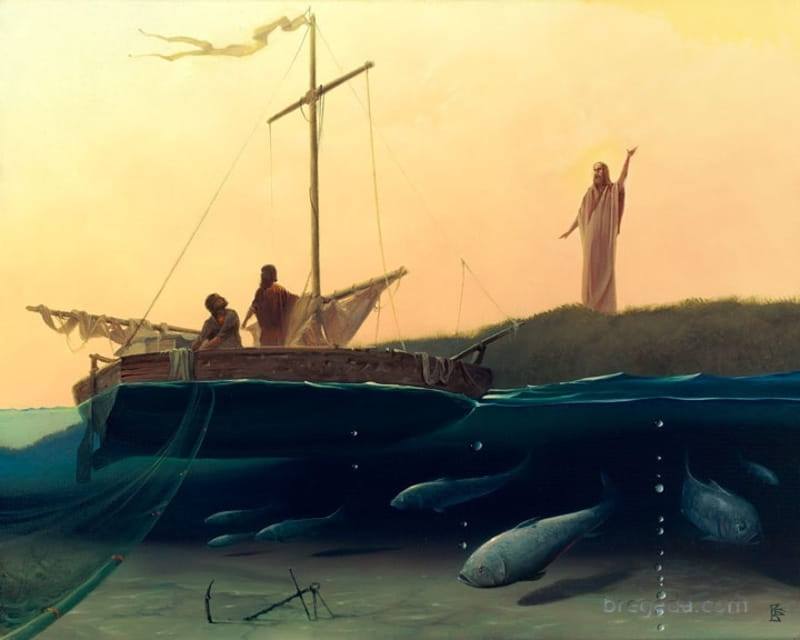
Matthew 13 marks a major structural shift in the gospel. Facing growing hostility from religious leaders, Jesus transitions from open public preaching to teaching in parables. Sitting in a boat off the shore of the Sea of Galilee, Jesus uses a familiar agrarian scene—a sower scattering seed—to explain the mixed reception of the basileia tou theou (the Kingdom of God).
The passage splits into three parts: the parable (vv. 1–9), the purpose of parables (vv. 10–17), and the explanation (vv. 18–23). The core dynamic rests on the interaction between the seed (the word of the Kingdom) and four soils (the human heart):
- The Path: Hardened ground where the seed cannot penetrate, allowing the evil one to snatch it away.
- The Rocky Ground: Shallow soil over bedrock. Represents immediate, emotional reception that lacks root, quickly withering under thlipsis (tribulation/persecution).
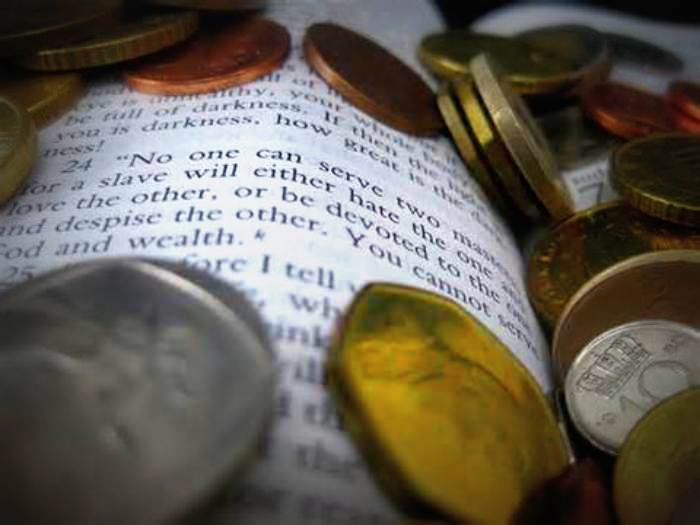
- The Thorns: Infested soil. The seed grows but is choked out by merimna (anxieties/cares of the world) and the deceitfulness of wealth.
- The Good Soil: Deep, receptive earth representing the one who hears, understands, and yields a harvest.
The parable reveals that the Kingdom expands through an organic, inward work rather than sudden political force. The seed’s power is constant; the variable is the heart’s receptivity. True discipleship is marked not by initial enthusiasm, but by sustained, fruitful endurance through trials and distractions.
At its core, this gospel passage is an invitation to spiritual inventory. It strips away the illusion that simply hearing the truth is enough. Jesus reminds us that the Word of God is constantly being spoken into our lives—through Scripture, through the community, and through the quiet nudges of the Holy Spirit. The seed is always perfect, alive, and full of potential. The variable is always us. It is incredibly easy to let our hearts drift into autopilot: We can become calloused like the path, letting familiar truths bounce right off us without making an impact. We can be shallow like the rocky ground, full of enthusiasm on Sunday morning but quick to wither when a difficult work week or a personal crisis tests our faith. Most commonly today, we become crowded like the thorny soil—not intentionally rejecting God, but simply letting the noise of screens, the anxiety of finances, and the clutter of daily to-do lists slowly choke out our spiritual life.
The good news is that no soil is permanently stuck in its condition. Paths can be plowed, rocks can be cleared, and thorns can be uprooted. This gospel challenges us to slow down, look inward, and ask God to cultivate.
~ REV. FR. PETER MA. UBANAN, OSM
The Patient Sower
This Gospel paints a beautiful picture of God as the Sower who never grows tired of sowing. He scatters His seed without hesitation, even on ground that appears incapable of producing anything. That is how God loves each one of us. He does not wait for us to become perfect before offering His grace. Instead, He meets us in the midst of our failures, doubts, and imperfections, unceasingly calling us to grow closer to Him. Looking back on my own life, I can see countless moments when I ignored His voice or placed other priorities ahead of Him. His patience for me
reminds me that His love is greater than my weaknesses, and that He is always inviting me to begin again.
Beyond the parable itself, this Gospel reveals to me how easily I can become physically present but spiritually absent. I attend Mass, hear the Gospel, and say my prayers, but there are times when my mind and heart are somewhere else. Jesus’ words, “They look but do not see and hear but do not listen or understand,” challenge me to ask whether I am truly encountering Him or am I simply practicing my faith out of habit. It is possible to know many things about God without allowing Him to transform my life. Understanding God’s Word goes beyond knowing Scripture by heart; it is revealed in a life that becomes more compassionate, more forgiving, more humble, and more willing to love as Christ loves. The Word of God is never meant to just be heard, it is meant to transform. Its power becomes evident when I allow it to reach the deepest parts of my heart and reshape the way I think, love, and live.
Perhaps the greatest invitation in this Gospel is to trust that God is still at work within me. Good soil is not born overnight; it is cultivated with patience, care, and perseverance. In the same way, discipleship is not about becoming holy overnight but about allowing Christ to shape my heart day by day. There will be seasons when my faith feels strong and fruitful, and there will be seasons when I struggle, question, or feel spiritually dry. Yet the Lord continues to sow His Word with unwavering hope, believing in the harvest He desires to accomplish in my life. This gives me confidence because my spiritual growth does not depend on my strength alone but on God’s faithful grace. My prayer is that I will always make room for God in my heart, even in the busiest and most difficult seasons of life. May I trust that He is always at work within me, transforming my weaknesses into opportunities to love, serve, and reflect Christ to those around me.
~ LINN
PRAYER TO START THE WEEK
Lord Jesus, open my heart to receive Your Word with faith and allow it to take deep root in my life. Remove whatever keeps me from hearing Your voice, and help me bear the fruits of love, hope, and compassion each day. May I always trust in Your grace and faithfully follow You wherever You lead.
Originally published in the Neo Jeremiah Voice of the Young Prophet Newsletter (July 12, 2026 issue).